
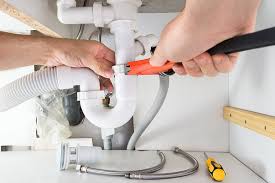
Plumbing maintenance is an essential aspect of homeownership that ensures your water and drainage systems function efficiently and last for years. Regular maintenance can prevent costly repairs, improve water efficiency, and keep your home free from plumbing emergencies. Whether you are dealing with minor leaks, clogged drains, or aging pipes, seeking help from a plumber near me can make all the difference. Additionally, hiring a local plumber for routine maintenance can help identify issues before they become major problems.
Why Is Plumbing Maintenance Important?
Many homeowners tend to ignore their plumbing systems until something goes wrong. However, plumbing maintenance plays a crucial role in preventing common issues such as leaks, pipe bursts, and water damage. Here are a few reasons why regular plumbing maintenance is beneficial:
- Prevents Costly Repairs – Small leaks and minor plumbing issues can quickly turn into expensive repairs if left unchecked. Routine maintenance allows professionals to detect problems early and fix them before they worsen.
- Improves Water Efficiency – Dripping faucets and leaking pipes can waste a significant amount of water. A plumber near me can inspect your plumbing system and make necessary adjustments to conserve water and reduce utility bills.
- Extends the Lifespan of Plumbing Fixtures – Regular cleaning, inspections, and minor repairs help extend the life of water heaters, pipes, and faucets, saving you from premature replacements.
- Prevents Water Damage – Undetected leaks can lead to mold growth, structural damage, and high water bills. Professional maintenance ensures that leaks and potential issues are addressed in time.
Key Aspects of Plumbing Maintenance
Plumbing maintenance involves several essential tasks to keep your system running smoothly. Some of the most important maintenance steps include:
1. Regular Inspections
Scheduling routine inspections with a local plumber can help detect potential problems before they escalate. A professional will check pipes, faucets, water heaters, and drains for any signs of damage or leaks.
2. Drain Cleaning
Clogged drains are a common plumbing issue that can lead to backups and slow drainage. Regular drain cleaning prevents buildup from grease, hair, soap, and other debris, keeping your plumbing system in top condition.
3. Checking for Leaks
Small leaks can go unnoticed for months, leading to wasted water and increased bills. Regularly inspecting under sinks, around toilets, and near appliances can help detect leaks early. A plumber near me can fix leaks efficiently and prevent further damage.
4. Water Heater Maintenance
Water heaters require periodic maintenance to function efficiently. Flushing the tank, checking the anode rod, and inspecting for leaks can prolong the lifespan of the heater and ensure consistent hot water supply.
5. Inspecting and Maintaining Pipes
Pipes can deteriorate over time due to corrosion, high water pressure, or environmental factors. A local plumber can assess the condition of your pipes and recommend necessary repairs or replacements.
6. Testing Water Pressure
High water pressure can cause stress on pipes and lead to leaks or bursts. A professional plumber can measure and adjust water pressure to keep your plumbing system safe.
7. Ensuring Proper Toilet Functionality
Toilets are one of the most frequently used plumbing fixtures in any home. Checking for leaks, running water, and flush efficiency can help avoid major repairs down the line.
How Often Should Plumbing Maintenance Be Done?
Most plumbing systems benefit from an annual inspection, but some tasks may require more frequent attention. Here’s a general guideline for different plumbing maintenance tasks:
- Monthly: Check for visible leaks, inspect faucets and showerheads for drips, and clean drains.
- Every 6 Months: Test water pressure, clean garbage disposals, and inspect toilets.
- Annually: Schedule a full plumbing inspection with a plumber near me, flush the water heater, and check the main sewer line for blockages.
DIY Plumbing Maintenance Tips
While hiring a local plumber is the best way to ensure your plumbing system stays in good shape, there are some simple maintenance tasks homeowners can do themselves:
- Use drain strainers to prevent hair and debris from clogging pipes.
- Avoid flushing anything other than toilet paper down the toilet.
- Check for leaks under sinks and around appliances regularly.
- Clean showerheads and faucet aerators to remove mineral buildup.
- Run hot water through drains weekly to prevent clogs.
When to Call a Professional Plumber
While some minor plumbing issues can be handled with DIY solutions, certain situations require professional intervention. If you experience any of the following, it’s time to call a plumber near me:
- Persistent leaks or water stains on walls and ceilings.
- Low water pressure throughout your home.
- Water heater issues, such as inconsistent temperatures or strange noises.
- Slow or clogged drains that don’t improve with simple cleaning methods.
- Sudden spikes in your water bill, indicating a hidden leak.
Conclusion
Plumbing maintenance is essential for keeping your home’s water and drainage systems running smoothly. By scheduling regular inspections, cleaning drains, and checking for leaks, you can prevent costly repairs and extend the lifespan of your plumbing fixtures. Whether you handle minor maintenance tasks yourself or hire a local plumber for professional services, staying proactive with plumbing maintenance ensures peace of mind and a well-functioning home. If you ever need professional assistance, searching for a plumber near me can help you find experienced experts to keep your plumbing system in top shape.