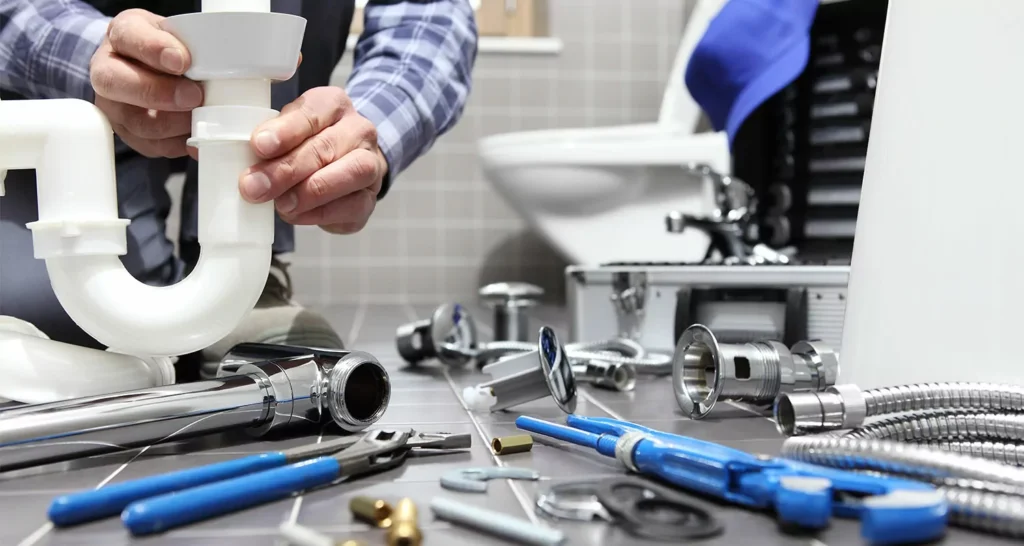
Ways to Save Money on Plumbing

Plumbing repairs and installations can be expensive, but there are several ways to cut costs without sacrificing quality. Whether you’re dealing with a small leak or planning a major plumbing project, being proactive can help you save money in the long run. Searching for a plumber near me is a great first step, but knowing how to reduce plumbing expenses is just as important. In this guide, we’ll explore practical ways to keep your plumbing costs low while ensuring your home’s plumbing system remains in top condition.

Preventive Maintenance Saves Money

One of the best ways to save money on plumbing is to prevent problems before they start. Small leaks and minor issues can quickly turn into costly repairs if left unaddressed. Here are a few maintenance tips that can help you avoid unnecessary expenses:

1. Fix Leaks Immediately

Even a small drip from a faucet can waste gallons of water and increase your utility bill. If you notice a leak, fix it as soon as possible. If you’re unsure how to handle it, hiring a local plumber for a quick repair is often cheaper than waiting until the problem worsens.

2. Keep Drains Clear

Clogged drains can lead to backups and costly repairs. To prevent clogs:

  • Avoid pouring grease or food scraps down the kitchen sink.
  • Use drain covers to catch hair and debris in the bathroom.
  • Flush drains with hot water and vinegar to prevent buildup.

When clogs become severe, calling a plumber near me can be a cost-effective solution to prevent bigger issues.

3. Check Your Water Pressure

High water pressure can strain your pipes and lead to leaks or bursts. A simple pressure gauge can help you monitor your home’s water pressure. If it’s too high, a local plumber can install a pressure regulator, which is much cheaper than repairing damaged pipes.

Do-It-Yourself Plumbing Tips

Some minor plumbing tasks don’t require professional help. By handling small repairs on your own, you can save money and avoid service fees. However, always know your limits—some issues require professional expertise.

4. Replace Faucet Washers and Seals

A dripping faucet is often caused by a worn-out washer or seal. These parts are inexpensive and can be replaced with basic tools. Many online tutorials can guide you through the process.

5. Unclog Drains Without Chemicals

Chemical drain cleaners can damage pipes over time. Instead, use a plunger or a plumber’s snake to clear clogs. If a clog persists, searching for a plumber near me can help you find a professional who can fix the issue without causing pipe damage.

6. Insulate Pipes

Insulating exposed pipes can prevent freezing in cold weather, which helps avoid costly pipe bursts. Insulation materials are affordable and easy to install, saving you money on potential emergency plumbing repairs.

Save on Plumbing Services

When professional plumbing services are necessary, there are ways to reduce costs without compromising quality.

7. Compare Estimates from Multiple Plumbers

Before hiring a local plumber, get quotes from multiple professionals. Comparing prices and services can help you find the best deal. However, don’t always choose the cheapest option—quality and experience matter.

8. Schedule Repairs During Off-Peak Hours

Some plumbing services charge higher rates for emergency or after-hours calls. If your plumbing issue isn’t urgent, schedule repairs during regular business hours to avoid extra fees.

9. Bundle Plumbing Repairs

If you have multiple plumbing issues, address them all at once. Many plumbers offer discounts for bundling repairs, saving you money on labor costs.

10. Consider Long-Term Solutions

Instead of opting for quick fixes, invest in long-term solutions. For example, if you have recurring pipe issues, upgrading to durable materials can prevent future repairs. A plumber near me can recommend cost-effective solutions that save money in the long run.

Reduce Water Usage to Lower Costs

High water usage leads to increased utility bills and added strain on your plumbing system. By making simple changes, you can reduce your water consumption and cut costs.

11. Install Low-Flow Fixtures

Low-flow faucets, showerheads, and toilets use less water without compromising performance. These fixtures are affordable and can significantly reduce your monthly water bill.

12. Fix Running Toilets

A running toilet can waste thousands of gallons of water per year. The fix is often as simple as replacing a flapper valve, which is inexpensive and easy to install. If the problem persists, a local plumber can assess whether you need a more extensive repair.

13. Be Mindful of Water Usage

Simple habits like turning off the tap while brushing your teeth, using full loads in the dishwasher, and fixing leaks quickly can add up to big savings over time.

When to Call a Professional

While DIY solutions can help save money, some plumbing problems require professional expertise. If you experience any of the following, it’s best to search for a plumber near me:

  • Low water pressure throughout your home
  • Repeated drain clogs or slow drainage
  • Burst pipes or major leaks
  • Sewer line issues or foul odors
  • Water heater malfunctions

Delaying professional repairs can lead to more expensive damage. Hiring a local plumber at the right time can prevent bigger, costlier problems.

Conclusion

Saving money on plumbing doesn’t mean cutting corners—it means being proactive, performing routine maintenance, and knowing when to call a professional. Fixing small issues early, using DIY solutions when appropriate, and hiring a plumber near me for larger problems can help you manage your plumbing costs efficiently. With the right approach, you can keep your plumbing system in excellent condition without overspending.
What Do Plumbers Usually Fix?

Plumbers play an essential role in maintaining residential and commercial properties by ensuring proper water flow, drainage, and pipe integrity. Whether it’s a minor repair or a major installation, they handle a variety of tasks to keep plumbing systems in top shape. If you’ve ever searched for a plumber near me, you may wonder what services they commonly provide. This guide covers the most frequent plumbing issues and how a local plumber can help.


Common Plumbing Repairs and Services

1. Leaky Faucets and Pipes

One of the most common plumbing problems homeowners face is a leaky faucet or pipe. A dripping faucet may seem like a minor inconvenience, but it can lead to wasted water and higher utility bills. Leaky pipes, on the other hand, can cause water damage, mold growth, and structural issues. A local plumber can quickly diagnose the source of the leak and make the necessary repairs.

2. Clogged Drains and Toilets

Slow or clogged drains are another frequent issue. Hair, soap scum, grease, and foreign objects can block water flow, leading to backups and unpleasant odors. Plumbers use professional tools such as drain snakes and hydro-jetting to clear blockages efficiently. If your toilet is constantly clogging or won’t flush properly, a plumber near me can assess the issue and restore proper function.

3. Running Toilets

A running toilet can waste a significant amount of water each day. The problem is often caused by a faulty flapper valve, a worn-out float, or a malfunctioning fill tube. A local plumber can identify the cause and replace any defective parts to stop the continuous water flow.

4. Water Heater Issues

No one wants to deal with a cold shower, but water heater problems are common in many households. If you notice inconsistent water temperatures, strange noises, or leaks around your water heater, it may need repair or replacement. A plumber near me can inspect the unit, flush sediment buildup, replace faulty components, or install a new heater if necessary.

5. Low Water Pressure

Low water pressure can be frustrating when trying to shower, wash dishes, or fill a pot with water. The issue can stem from mineral buildup in pipes, hidden leaks, or problems with the municipal water supply. A local plumber can conduct a thorough inspection and determine the best solution to restore optimal water pressure.

6. Sewer Line Repairs

A damaged sewer line can cause unpleasant odors, slow drains, or sewage backups. Tree roots, shifting soil, and debris buildup can lead to blockages or pipe damage. Plumbers use camera inspections to pinpoint the issue and may recommend trenchless repairs or pipe replacements to restore proper flow.

7. Burst Pipes

Burst pipes are a serious plumbing emergency that can cause extensive water damage. Freezing temperatures, high water pressure, or aging pipes are common causes. If a pipe bursts, shutting off the water supply and calling a plumber near me immediately is crucial to minimize damage.

8. Garbage Disposal Repairs

A malfunctioning garbage disposal can be a nuisance in the kitchen. If your disposal is jammed, making unusual noises, or not turning on, a local plumber can repair or replace the unit to restore functionality.

9. Gas Line Repairs

Plumbers are not only responsible for water-related issues but also gas line repairs. If you suspect a gas leak, it’s essential to call a professional immediately, as gas leaks can be hazardous. Licensed plumbers can safely inspect and repair gas lines to prevent potential dangers.

10. New Fixture Installations

Whether you’re upgrading your bathroom, kitchen, or laundry room, a plumber can install new fixtures such as sinks, faucets, toilets, and showers. Hiring a professional ensures proper installation, preventing leaks and ensuring efficient water use.


Why Hire a Professional Plumber?

While some minor plumbing issues can be handled with DIY solutions, hiring a plumber near me ensures the job is done correctly and safely. Professional plumbers have the tools, expertise, and experience to diagnose and fix problems efficiently, saving homeowners time and money in the long run. Additionally, regular maintenance by a local plumber can prevent major plumbing disasters and extend the lifespan of your plumbing system.


Conclusion

From leaky faucets to sewer line repairs, plumbers handle a wide range of issues that keep homes and businesses running smoothly. If you’re experiencing any plumbing problems, it’s best to seek professional help to ensure a reliable and long-lasting solution. The next time you need assistance, searching for a plumber near me will connect you with a local plumber who can address your needs promptly and efficiently.

How to Find a Plumbing Leak: A Guide to Protecting Your Home and Water Bill

Water leaks are a common but often hidden issue that can lead to significant water waste, high utility bills, and even property damage if left unaddressed. Knowing how to detect a plumbing leak early can save you both time and money, not to mention potential damage to your home. This guide will help you identify the signs of a leak, steps to locate it, and when to call a plumber near you for help. Whether you’re a homeowner or renter, understanding how to find a plumbing leak is a valuable skill that can prevent a small issue from turning into a costly repair.

Common Signs of a Plumbing Leak

The first step in locating a leak is recognizing the signs that one might exist. Many leaks aren’t immediately visible, especially if they’re hidden behind walls or under floors. Here are some of the most common signs that indicate you might have a leak:

  1. Unusually High Water Bill
    If you notice a sudden increase in your water bill without a change in usage, it’s a good indication of a leak. This is especially true if your household’s water habits have stayed the same, yet the cost keeps rising.
  2. Water Stains or Damage
    Yellowish or brownish stains on walls or ceilings are often a sign of a leak behind the wall. Warped or bubbling paint and mold growth can also indicate water damage from a hidden leak.
  3. Sound of Running Water
    If you hear the sound of running water when no faucets or appliances are in use, this may be a sign of a leak. Listen carefully around the house, especially in quiet areas or near appliances.
  4. Low Water Pressure
    Leaks can cause a drop in water pressure. If you notice lower-than-usual water flow in your faucets or shower, there might be a leak in the pipes.
  5. Wet or Moldy Odors
    Damp areas tend to develop mold or mildew, which can emit a musty smell. If you notice such an odor, it’s worth investigating further, as it could indicate a leak in the vicinity.

Steps to Find a Plumbing Leak

If you’ve noticed any of the above signs, the next step is to locate the leak. While some leaks are easy to find, others may require a bit more effort. Here’s a step-by-step process to help you identify the source:

1. Check Your Water Meter

Start by locating your water meter, usually found outside near the curb or in a utility area of your property. Here’s how to use it to check for leaks:

  • Turn Off All Water Sources: Make sure all faucets, appliances, and sprinklers are off. This includes anything that uses water, like your dishwasher or washing machine.
  • Record the Meter Reading: Note the current reading on your water meter and wait at least one hour, ensuring no water is used in that time.
  • Check the Meter Again: If the reading has changed, it’s likely there’s a leak somewhere in your plumbing system.

For more precise results, repeat this process over a longer period, such as overnight, and check for changes in the reading. If you notice movement, contact a plumber near you to help locate and repair the leak.

2. Inspect Your Toilet

Toilets are a common source of hidden leaks and can waste hundreds of gallons of water without noticeable signs. Here’s a quick way to test for leaks:

  • Add Food Coloring to the Tank: Put a few drops of food coloring in the toilet tank. Wait 15–20 minutes, without flushing, and then check the bowl.
  • Look for Color in the Bowl: If you see colored water in the bowl, there’s a leak in the toilet flapper or fill valve that needs repair.

While minor toilet leaks can sometimes be fixed with DIY solutions, a local plumber can provide a thorough inspection to prevent further issues.

3. Examine Faucets and Showerheads

Leaks from faucets and showerheads are easier to spot but can still go unnoticed if they’re small. Inspect the following areas:

  • Faucets: Look for drips or moisture around the base of the faucet, which can indicate worn-out washers or seals.
  • Showerheads: Check for continuous dripping or water seeping from the joints. Loose connections may need to be tightened, or the gasket may need replacement.

4. Look Under Sinks and Cabinets

Leaks often occur under sinks, especially around connections where pipes meet fixtures. Open cabinets below sinks and look for water stains, puddles, or damp spots. If you find moisture, it may indicate a loose connection or worn-out pipes.

Tip: Placing a paper towel under each connection can help reveal any slow leaks that might not be immediately noticeable.

5. Inspect Outdoor Plumbing

Outdoor leaks can be just as damaging as indoor ones, especially if they affect your foundation. Check your outdoor hose bibs, irrigation systems, and exposed pipes for any signs of dripping. Also, look for areas in the yard with unusual moisture or patches of greener grass, as these could indicate a leak underground.

For large leaks or issues with underground pipes, calling a plumber near you is recommended. Specialized equipment like leak detectors or thermal cameras can help a professional locate the exact source of a hidden leak.

When to Call a Plumber Near You

Some leaks are simple enough for a DIY fix, but others require the expertise of a local plumber. Here are situations when it’s best to bring in a professional:

  • Hidden or Difficult-to-Locate Leaks: If you can’t find the source, a plumber with specialized tools can help locate the leak.
  • Leaking Pipes Behind Walls or Under Floors: These leaks can cause significant damage if left unaddressed. A plumber near you will have the tools to fix the problem with minimal disruption.
  • Recurring Leaks: If you’ve repaired a leak before and it keeps coming back, a plumber can provide a more permanent solution.

Preventing Future Leaks

Regular maintenance can reduce the likelihood of plumbing leaks. Here are a few tips to keep your system in top shape:

  • Annual Inspections: Schedule a yearly inspection with a local plumber to catch early signs of wear or corrosion.
  • Monitor Your Water Pressure: High water pressure can strain pipes and lead to leaks. Consider installing a pressure regulator if your home’s water pressure is consistently high.
  • Replace Old Pipes: Older pipes, especially galvanized steel or lead, are more prone to leaks. Upgrading to modern materials like copper or PEX can prevent future issues.

Conclusion

Finding a plumbing leak is essential to avoid water waste, high bills, and potential property damage. By knowing the signs and steps to locate a leak, you can take control of the situation before it escalates. When in doubt, calling a plumber near you can ensure a thorough inspection and repair, giving you peace of mind that your home’s plumbing is secure.

Regular maintenance and prompt repairs will protect your plumbing system, and consulting with a local plumber can provide expert advice to keep your pipes and fixtures in excellent condition for years to come.

How Long Do Plumbers Take to Fix Common Plumbing Problems?

Whether it’s a leaking faucet, a clogged drain, or a more serious issue like a broken water heater, plumbing problems are inconvenient and can disrupt your daily routine. One of the most common concerns for homeowners and business owners alike is, How long will it take for a plumber to fix the problem? Knowing what to expect can help you plan your day and ensure you’re working with a qualified plumber near me who can complete the job efficiently.

In this blog post, we’ll explore how long it typically takes for a local plumber to fix common plumbing issues, what factors can influence the repair time, and when you should call in a professional.

Introduction: The Importance of Timely Plumbing Repairs
A functional plumbing system is essential for any home or business, and when something goes wrong, it’s crucial to get it fixed as quickly as possible. Leaks can lead to water damage, clogged drains can cause backups, and a broken water heater can leave you without hot water.

While many people try to estimate how long a plumbing job will take, the truth is that several factors come into play when determining the time needed for a repair. From the complexity of the issue to the experience of the plumber, various elements can impact the timeline. Let’s break down how long some of the most common plumbing repairs typically take.

Body: Time Estimates for Common Plumbing Repairs

  1. Leaking Faucet
    A leaking faucet may seem like a minor inconvenience, but it can waste a lot of water over time and increase your water bill. Fortunately, this is one of the quicker plumbing repairs. A local plumber can usually fix a leaking faucet within 30 minutes to an hour.

Factors such as the type of faucet (compression, ball, disk, or cartridge) and the extent of the damage can affect the time it takes to fix it. In most cases, it’s a simple repair involving replacing washers, O-rings, or other small components.

  1. Clogged Drains
    Dealing with a clogged drain can range from a quick fix to a more complex job, depending on the severity of the clog. Minor clogs, such as those in bathroom sinks or tubs, often take 30 minutes to an hour to resolve using tools like plungers or drain snakes.

However, more serious clogs, especially those in the main sewer line, may require specialized equipment like hydro-jetting and could take several hours to clear. A plumber near me will be able to assess the situation and provide an estimate based on the extent of the blockage.

  1. Running Toilet
    A running toilet is another common plumbing issue that can waste water and increase your utility bills. In most cases, a plumber can fix a running toilet within 1 to 2 hours.

The repair might involve replacing the flapper, adjusting the float, or repairing the fill valve. In more complex cases, where the internal components of the toilet are heavily worn or damaged, the repair may take a bit longer.

  1. Water Heater Repair or Replacement
    A malfunctioning water heater is one of the more complex plumbing issues and can take anywhere from 2 to 4 hours to repair, depending on the problem. For example, if the issue is a faulty thermostat or heating element, a local plumber can usually repair it in a couple of hours.

However, if the water heater needs to be replaced entirely, the job could take 4 to 6 hours or more. Installing a new water heater involves disconnecting the old unit, setting up the new one, and ensuring that all connections (both water and gas) are properly sealed.

  1. Burst Pipes
    A burst pipe is a serious plumbing emergency that requires immediate attention. The time it takes to fix a burst pipe depends on the location and severity of the damage. In some cases, a plumber near me can complete the repair in 2 to 4 hours, especially if the damage is localized.

If the burst pipe is located in a hard-to-reach area, such as behind walls or under the foundation, the repair could take significantly longer—up to 8 hours or more. The complexity of the repair often requires cutting through walls, floors, or ceilings to access the damaged pipe.

  1. Sewer Line Repair
    Sewer line issues are among the most time-consuming plumbing problems to fix. A sewer line repair can take anywhere from one day to several days, depending on the extent of the damage and the repair method used.

Minor sewer line repairs, such as fixing a small crack or break, might take 1 to 2 days. However, if the entire sewer line needs to be replaced, the job could take up to a week. Your local plumber will likely need to dig up part of your yard, which adds to the time required to complete the repair.

Factors That Can Affect Repair Time
While the times mentioned above provide a general guideline for how long various plumbing repairs take, several factors can influence the timeline:

Extent of the damage: A minor leak will take less time to fix than a major one.
Location of the problem: Issues in hard-to-reach areas, such as behind walls or under floors, will take longer to repair.
Availability of parts: If special parts are needed, the plumber may need to order them, which could delay the repair.
Experience of the plumber: An experienced plumber can usually diagnose and repair problems more quickly than someone less familiar with the issue.
Conclusion: The Importance of Hiring a Professional Plumber
When it comes to plumbing repairs, time is of the essence. Small issues like a leaking faucet or a running toilet can usually be fixed in an hour or two, while more significant problems, such as burst pipes or sewer line issues, may take several hours or even days to resolve.

Hiring a qualified plumber near me is crucial for ensuring that the job is done correctly and efficiently. Experienced local plumbers can assess the situation, provide an accurate estimate of how long the repair will take, and fix the issue in a timely manner.

If you’re facing any plumbing issues, don’t hesitate to contact a professional plumber. Whether it’s a small fix or a major repair, getting the job done right the first time will save you time, money, and headaches in the long run.

How to Fix a Leaking Toilet

A leaking toilet can be more than just a nuisance; it can lead to higher water bills and potential damage to your bathroom floor. Understanding how to fix a leaking toilet can save you time and money. This guide will walk you through the steps to identify and repair common toilet leaks. Whether you’re a DIY enthusiast or considering calling a plumber near me, these tips will help you address the issue effectively.

Identifying the Leak
  1. Check the Toilet Base:
    • Water pooling around the base of the toilet is a clear sign of a leak. This usually indicates a problem with the wax ring seal or the toilet bolts.
  2. Inspect the Tank and Bowl:
    • Look for water running continuously into the toilet bowl or tank. This can indicate issues with the flapper, fill valve, or overflow tube.
  3. Examine the Supply Line:
    • Ensure the water supply line is not dripping or loose. This could be the source of the leak.
Tools and Materials Needed
  • Adjustable wrench
  • Sponge or towel
  • Bucket
  • Replacement parts (flapper, fill valve, wax ring, etc.)
  • Plumber’s tape
  • Screwdriver
  • Rubber gloves
Steps to Fix a Leaking Toilet
  1. Turn Off the Water Supply:
    • Locate the shut-off valve behind the toilet and turn it clockwise to stop the water flow. Flush the toilet to drain the water from the tank and bowl.
  2. Dry the Area:
    • Use a sponge or towel to dry the area around the leak. This will make it easier to identify the exact source and work on repairs.
Fixing a Leaking Flapper
  1. Remove the Tank Lid:
    • Carefully take off the tank lid and set it aside. Inspect the flapper at the bottom of the tank.
  2. Check the Flapper:
    • If the flapper is worn, cracked, or not sealing properly, it needs to be replaced. Turn off the water supply and flush the toilet to empty the tank.
  3. Replace the Flapper:
    • Remove the old flapper by disconnecting it from the chain and the pegs on the overflow tube. Attach the new flapper, ensuring it forms a tight seal.
  4. Adjust the Chain:
    • Ensure the chain connecting the flapper to the flush handle is the correct length. It should have a little slack but not so much that it gets tangled.
  5. Test the Flapper:
    • Turn the water supply back on and flush the toilet to test the new flapper. Ensure it seals properly and stops water from flowing into the bowl when the tank is full.
Fixing a Leaking Fill Valve
  1. Inspect the Fill Valve:
    • If water is continuously running into the tank or bowl, the fill valve might be the culprit. Remove the tank lid and observe the fill valve during a flush.
  2. Adjust the Float:
    • If the water level is too high, adjust the float to lower the water level. Most fill valves have a screw or clip to adjust the float’s height.
  3. Replace the Fill Valve:
    • If adjusting the float doesn’t solve the issue, you may need to replace the fill valve. Turn off the water supply, flush the toilet, and sponge out any remaining water from the tank.
  4. Remove the Old Fill Valve:
    • Disconnect the supply line and unscrew the lock nut underneath the tank. Remove the old fill valve and install the new one according to the manufacturer’s instructions.
  5. Reconnect and Test:
    • Reconnect the supply line, turn on the water supply, and test the new fill valve by flushing the toilet.
Fixing a Leaking Wax Ring
  1. Remove the Toilet:
    • If water is leaking from the base of the toilet, the wax ring may need to be replaced. Turn off the water supply, flush the toilet, and sponge out any remaining water. Disconnect the supply line and unscrew the bolts holding the toilet to the floor.
  2. Inspect the Wax Ring:
    • Lift the toilet off the floor and inspect the wax ring. If it’s damaged or worn, scrape it off and replace it with a new one.
  3. Install the New Wax Ring:
    • Position the new wax ring on the flange. Carefully lower the toilet onto the ring, ensuring it’s aligned with the bolts.
  4. Secure the Toilet:
    • Press down firmly on the toilet to create a seal. Reattach the bolts and reconnect the supply line. Turn on the water supply and flush the toilet to check for leaks.
Conclusion

Fixing a leaking toilet can be straightforward if you know where to look and what steps to take. By identifying the source of the leak and using the appropriate repair techniques, you can save yourself the cost of calling a plumber near me. However, if the problem persists or seems too complex, don’t hesitate to contact a local plumber for professional assistance. Maintaining your toilet and addressing leaks promptly will help prevent more significant issues and ensure your bathroom remains in good working order.

Emergency Plumbing Solutions: What You Need to Know

Plumbing emergencies can strike at any time, causing significant damage and disruption to your daily life. From burst pipes to severe clogs, these issues require immediate attention to prevent further damage and restore functionality. Understanding emergency plumbing solutions and knowing when to call a professional plumber near me can save you time, money, and stress. In this blog post, we’ll explore various emergency plumbing solutions, the importance of timely intervention, and how local plumbers can help resolve urgent plumbing problems.

Plumbing emergencies are often unexpected and can range from minor inconveniences to major disasters. Common issues such as burst pipes, overflowing toilets, and severe clogs demand prompt action to mitigate damage and restore normalcy. While some homeowners may attempt DIY fixes, emergency plumbing situations typically require the expertise of a professional plumber near me. This post will guide you through the steps to take during a plumbing emergency, highlight common solutions, and emphasize the benefits of working with local plumbers.

1. Recognizing Plumbing Emergencies

The first step in addressing a plumbing emergency is recognizing when a situation requires immediate attention. Common plumbing emergencies include:

  • Burst Pipes: A burst pipe can quickly flood your home, causing extensive water damage and mold growth.
  • Overflowing Toilets: An overflowing toilet can lead to unsanitary conditions and water damage to floors and walls.
  • Severe Clogs: Clogged drains and sewer lines can cause backups, leading to unpleasant odors and potential health hazards.
  • Water Heater Failures: A malfunctioning water heater can result in scalding water, no hot water, or even water damage if it leaks.
  • Gas Leaks: A gas leak is a severe emergency that poses significant health and safety risks, requiring immediate professional intervention.

Recognizing these emergencies and acting quickly can prevent further damage and ensure the safety of your home and family.

2. Immediate Steps to Take During a Plumbing Emergency

When faced with a plumbing emergency, it’s crucial to take immediate action to minimize damage. Here are some steps to follow:

  • Shut Off the Water Supply: Locate and turn off the main water valve to stop the flow of water and prevent further flooding.
  • Turn Off the Water Heater: If you suspect a water heater issue, turn off the power supply to prevent overheating and potential damage.
  • Contain the Leak: Use towels, buckets, and other materials to contain the leak and prevent water from spreading to other areas.
  • Avoid Using Affected Fixtures: Refrain from using sinks, toilets, and other fixtures connected to the affected plumbing system until the issue is resolved.
  • Call a Professional Plumber: Contact a local plumber immediately to address the emergency and provide a long-term solution.

Taking these steps can help mitigate damage and ensure that professional assistance arrives promptly.

3. Common Emergency Plumbing Solutions

Professional plumbers have the expertise and tools to address various plumbing emergencies effectively. Here are some common solutions:

  • Pipe Repair and Replacement: For burst or leaking pipes, plumbers can quickly identify the source of the problem, repair the damage, or replace the affected section of the pipe.
  • Drain Cleaning and Unclogging: Severe clogs often require specialized tools such as drain snakes or hydro jetting to clear blockages and restore proper drainage.
  • Water Heater Repair: Plumbers can diagnose and fix issues with water heaters, whether it’s a malfunctioning thermostat, a leaking tank, or a broken heating element.
  • Sewer Line Repair: For sewer backups, plumbers can use camera inspections to locate the blockage and perform necessary repairs or replacements.
  • Gas Leak Detection and Repair: In the case of a gas leak, plumbers can safely locate the source, repair the leak, and ensure that your home is safe.

These solutions require the expertise of a professional plumber near me to ensure that the problem is resolved efficiently and safely.

4. The Importance of Timely Professional Intervention

Attempting to fix a plumbing emergency without the necessary skills and tools can lead to further damage and safety risks. Professional plumbers have the training and experience to handle emergency situations effectively. Here are some reasons why timely professional intervention is crucial:

  • Preventing Further Damage: Professional plumbers can quickly identify and address the root cause of the problem, preventing further damage to your home.
  • Ensuring Safety: Plumbing emergencies, such as gas leaks or water heater failures, pose significant safety risks. Plumbers have the expertise to handle these situations safely.
  • Long-Term Solutions: Temporary fixes may not address the underlying issue, leading to recurring problems. Professional plumbers provide long-term solutions that prevent future emergencies.
  • Saving Time and Money: While DIY fixes may seem cost-effective, they can lead to costly repairs if not done correctly. Professional plumbers can save you time and money by providing efficient and effective solutions.

Choosing a local plumber ensures that help arrives promptly, minimizing damage and restoring functionality quickly.

Conclusion

Plumbing emergencies require immediate attention to prevent further damage and ensure the safety of your home and family. Recognizing common plumbing emergencies, taking immediate action, and contacting a professional plumber near me are essential steps in managing these situations. Professional plumbers have the expertise, tools, and experience to provide effective solutions and long-term fixes. By working with local plumbers, you can ensure prompt and reliable assistance during a plumbing emergency, giving you peace of mind and a swift resolution to your plumbing issues.

Plumbing Basics: How Does Your Plumbing Work?

Understanding the fundamentals of your home’s plumbing system can be incredibly beneficial. It helps you troubleshoot minor issues, communicate effectively with a plumber, and maintain the system’s efficiency. Plumbing is a complex network of pipes, valves, fixtures, and appliances that work together to provide clean water and remove wastewater. In this article, we will delve into the basics of plumbing, exploring how it works and why it’s crucial to know when to search for a plumber near me or a local plumber for professional help.

Plumbing is an essential part of any home, yet many homeowners take it for granted until something goes wrong. The system involves a sophisticated network that delivers water to your taps and appliances while removing wastewater safely. To keep your home’s plumbing system running smoothly, it’s important to understand how it works and how to maintain it. This knowledge not only helps in preventing potential problems but also saves money on repairs and maintenance.

The Supply System

The water supply system is responsible for delivering fresh water to your home. It typically begins with a connection to a municipal water supply or a private well. Here are the key components of the supply system:

  1. Main Water Line: This is the primary pipe that brings water from the source to your home. It’s usually located underground and connected to your home’s plumbing via a shut-off valve, which is crucial for emergency situations.
  2. Pipes: Once inside the house, water travels through a network of pipes made from various materials such as copper, PEX, or PVC. These pipes distribute water to different fixtures and appliances.
  3. Valves: Valves control the flow of water through the pipes. Each fixture has its own valve, allowing you to shut off water supply for repairs without affecting the entire system.
  4. Fixtures: These include faucets, showers, toilets, and appliances that use water. Each fixture has its own set of pipes that bring in clean water and take away wastewater.
The Drainage System

The drainage system is just as important as the supply system. It removes wastewater and ensures it is disposed of properly. Here are the main components of the drainage system:

  1. Drain Pipes: These pipes carry wastewater away from fixtures to the sewer line or septic tank. They are usually made from PVC or ABS.
  2. Traps: Located under each sink, a trap is a U-shaped pipe that holds a small amount of water to prevent sewer gases from entering your home.
  3. Vent Pipes: These pipes allow air to enter the drainage system, which helps wastewater flow smoothly and prevents sewer gases from building up.
  4. Sewer Line/Septic Tank: The main drain pipe leads to either a municipal sewer system or a septic tank, where wastewater is treated and disposed of.
Common Plumbing Issues

Understanding the basics of plumbing helps in identifying and addressing common issues. Here are some typical problems and how they can be resolved:

  1. Leaky Faucets: Often caused by worn-out washers or seals, leaky faucets are a common issue that can lead to significant water waste. Replacing the faulty components usually resolves the problem.
  2. Clogged Drains: Hair, soap, grease, and food particles can cause blockages. Using a plunger or a plumber’s snake can often clear clogs, but severe blockages may require professional drain cleaning.
  3. Running Toilets: This is often due to a faulty flapper or fill valve. Replacing these components can stop the constant flow of water and reduce water bills.
  4. Low Water Pressure: This can result from sediment buildup in pipes or fixtures. Cleaning aerators and showerheads or consulting a local plumber can help restore proper pressure.
When to Call a Plumber

While some plumbing issues can be handled with DIY methods, others require professional intervention. Here are scenarios when you should search for a “plumber near me”:

  1. Burst Pipes: This is a plumbing emergency that can cause significant damage. Turn off the main water supply and call an emergency plumber immediately.
  2. Sewage Backup: If sewage is backing up into your home, it indicates a severe blockage or damage in the sewer line. Professional help is essential to resolve this issue safely.
  3. Persistent Clogs: If plunging and snaking don’t work, a professional plumber can use advanced tools like hydro jetting to clear stubborn blockages.
  4. Water Heater Issues: Problems with your water heater, such as no hot water or leaks, should be addressed by a professional to avoid further damage.

Conclusion

Understanding how your plumbing system works is crucial for maintaining a functional and efficient home. From the supply system that brings in fresh water to the drainage system that disposes of wastewater, each component plays a vital role. While some plumbing issues can be resolved with basic knowledge and tools, others require professional expertise. Knowing when to call a plumber near me or a local plumber can save you from costly repairs and ensure your plumbing system operates smoothly. Regular maintenance and timely intervention are key to preventing major plumbing problems and keeping your home’s plumbing in top condition.

Smart Strategies to Reduce Water Usage: A Guide for Every Home

When we turn on the tap, it’s easy to forget that water, while seemingly abundant, is a precious resource. Conserving water is not only eco-friendly but also wallet-friendly. As conscientious homeowners, it’s important to do our part in reducing water usage. In this comprehensive guide, we’ll explore practical ways to cut back on water consumption, and we’ll emphasize the importance of consulting a local plumber or searching for “plumber near me” for water-saving plumbing solutions.

1. Fix Those Pesky Leaks

A dripping faucet or a leaking toilet may not seem like major concerns, but these small drips can waste significant amounts of water over time. In fact, a dripping faucet can waste hundreds of gallons of water annually.

  • Insight from Your Local Plumber: Regularly check for leaks in your home. If you discover a leak, consult a local plumber to fix it promptly. They have the expertise to diagnose and repair leaks, saving you water and money in the long run.

2. Upgrade to Water-Efficient Fixtures

Older toilets, showerheads, and faucets can be water guzzlers. Replacing them with modern, water-efficient fixtures can significantly reduce water usage without sacrificing performance.

  • Insight from Your Local Plumber: Consult a local plumber when upgrading your fixtures. They can recommend and install water-saving fixtures that meet your needs and local building codes.

3. Install a Smart Irrigation System

Outdoor irrigation can be a major source of water waste, especially if you water your lawn or garden too frequently or during the heat of the day. Smart irrigation systems use weather data and soil moisture sensors to optimize watering.

  • Insight from Your Local Plumber: Your local plumber can help you choose and install a smart irrigation system that ensures your outdoor areas receive the right amount of water, reducing waste.

4. Collect Rainwater

Harnessing rainwater for outdoor use, such as watering your garden or washing your car, is an eco-friendly way to reduce water consumption. Install a rain barrel to capture rainwater from your roof.

  • Insight from Your Local Plumber: A local plumber can help you set up a rainwater harvesting system, ensuring that the collected rainwater is safe for your intended use.

5. Be Mindful of Appliances

Appliances like washing machines and dishwashers can be significant water users. Ensure that you run full loads, as these appliances use a similar amount of water for small loads as they do for full ones.

  • Insight from Your Local Plumber: Regularly maintain your appliances to prevent leaks and ensure they operate efficiently. A local plumber can perform appliance check-ups to keep them in top shape.

6. Consider Tankless Water Heaters

Traditional water heaters store and heat water continuously, which can be wasteful. Tankless water heaters heat water on demand, reducing energy and water consumption.

  • Insight from Your Local Plumber: Consult a local plumber to determine if a tankless water heater is suitable for your home. They can install and maintain these efficient systems.

7. Landscape Wisely

When planning your landscaping, opt for native plants that require less water. Additionally, consider using mulch to retain soil moisture and reduce the need for frequent watering.

  • Insight from Your Local Plumber: A local plumber can help you design an efficient irrigation system for your landscaping needs, ensuring you use water wisely.

Conclusion: Your Role in Conserving Water

Reducing water usage isn’t just a matter of eco-consciousness; it’s a step toward a sustainable and cost-effective future. By taking these water-saving actions and collaborating with a local plumber for plumbing solutions, you play an essential role in preserving this invaluable resource.

When you search for “plumber near me,” you’re not only addressing plumbing issues but also contributing to water conservation. Local plumbers are your partners in reducing water waste and ensuring your plumbing system operates efficiently.

Start making a positive impact today by reducing your water usage. It’s a small change that can make a big difference in both your home and the environment.

The Importance Of Hiring A Professional Plumber Near Me

When faced with plumbing issues in our homes or businesses, it can be tempting to try and fix them ourselves. However, taking a do-it-yourself approach often leads to more complications and costly repairs down the line. That’s why it’s crucial to hire a professional plumber near you who possesses the expertise and experience to handle any plumbing problem efficiently. Whether it’s a minor leak or a major plumbing disaster, a qualified plumber is your best bet to ensure the problem is resolved promptly and effectively.

The Expertise and Knowledge of a Professional Plumber

One of the primary advantages of hiring a professional plumber near me is their extensive expertise and knowledge in the field. Professional plumbers undergo rigorous training and obtain the necessary certifications to ensure they are well-equipped to handle any plumbing issue that may arise. They stay up-to-date with the latest industry advancements and possess the skills and techniques to diagnose problems accurately.

A local plumber has a comprehensive understanding of the plumbing systems in your area. They are familiar with the specific challenges that arise due to local weather conditions, water quality, and building regulations. This knowledge allows them to provide tailored solutions that are efficient and durable, ensuring long-term satisfaction for their customers.

Quality Workmanship and Reliable Service

When it comes to plumbing, it’s not just about finding a quick fix; it’s about finding a lasting solution. Professional plumbers take pride in their workmanship and are committed to delivering reliable service. They have the necessary tools and equipment to handle any plumbing job, big or small, with precision and efficiency.

Furthermore, hiring a professional plumber near me ensures that the work is done to code and in compliance with local regulations. This is especially important when it comes to complex plumbing projects, such as remodeling or new construction. By adhering to the appropriate standards, a professional plumber ensures the safety and functionality of your plumbing system for years to come.

Time and Cost Savings

While it may seem counterintuitive, hiring a professional plumber can actually save you both time and money in the long run. When faced with a plumbing issue, it’s easy to underestimate the time and effort required to fix it properly. By attempting to tackle the problem yourself, you risk spending hours or even days trying to find the right solution, potentially exacerbating the issue in the process.

On the other hand, a professional plumber near me can quickly identify the root cause of the problem and implement an effective solution in a fraction of the time. Their experience allows them to work efficiently, minimizing disruptions to your daily routine. Additionally, professional plumbers have access to high-quality materials and can leverage their industry connections to source the necessary parts at a reduced cost. This can significantly contribute to overall cost savings.

The Importance of Emergency Plumbing Services

Plumbing emergencies can strike at any time, often when we least expect them. From burst pipes to overflowing toilets, these situations require immediate attention to prevent further damage and inconvenience. That’s why having a professional plumber near you who offers emergency services is crucial.

When faced with a plumbing emergency, time is of the essence. Professional plumbers understand this and prioritize rapid response times. They are available 24/7, ensuring that you have access to prompt assistance whenever a crisis occurs. By addressing the problem swiftly and efficiently, emergency plumbers can mitigate the damage and prevent costlier repairs in the future.

Conclusion

In conclusion, when it comes to plumbing issues, hiring a professional plumber near me is the wisest course of action. Their expertise, knowledge, and commitment to quality workmanship ensure that any plumbing problem, big or small, is handled efficiently and effectively. By trusting the professionals, you not only save yourself time and money but also gain peace of mind, knowing that your plumbing system is in capable hands. So, the next time you’re faced with a plumbing issue, don’t hesitate to reach out to your local plumber for reliable, top-notch service.

The Importance Of Local Plumbers: Ensuring The Efficiency And Safety Of Your Plumbing System

When it comes to maintaining a functional and safe home, it’s easy to overlook the importance of a well-functioning plumbing system. However, as any homeowner knows, even a minor plumbing issue can quickly escalate into a major disaster, causing water damage, inconvenience, and significant expenses. That’s where local plumbers come in – professionals who possess the knowledge, skills, and experience to tackle any plumbing problem efficiently and effectively. In this article, we will delve into the vital role that local plumbers play in ensuring the efficiency and safety of your plumbing system.

1. Expertise and Experience

One of the primary reasons to rely on local plumbers is their expertise and experience in handling various plumbing issues. Unlike DIY attempts or hiring inexperienced individuals, local plumbers possess a deep understanding of the intricacies of plumbing systems, allowing them to diagnose and fix problems accurately. From leaky faucets and clogged drains to burst pipes and malfunctioning water heaters, these professionals have encountered and resolved countless plumbing issues, ensuring that your home’s plumbing system is in capable hands.

2. Timely and Efficient Service

Plumbing issues can arise at any time, often catching homeowners off guard. Fortunately, local plumbers are just a phone call away, ready to provide prompt assistance. Choosing a reputable plumber near you ensures that you receive timely and efficient service, minimizing any disruption to your daily routine. Whether it’s a minor repair or a major installation, local plumbers prioritize customer satisfaction, delivering high-quality workmanship within the agreed-upon timeframe.

3. Emergency Plumbing Services

Certain plumbing problems require immediate attention, such as burst pipes, sewage backups, or gas leaks. During such emergencies, local plumbers offer invaluable support, as they are equipped to handle urgent situations efficiently and effectively. By having a reliable local plumber near you, you can rest assured knowing that help is just a phone call away, providing peace of mind and minimizing the potential damage caused by plumbing emergencies.

4. Comprehensive Range of Services

Local plumbers offer a comprehensive range of services, catering to all your plumbing needs. From routine maintenance, inspections, and repairs to complex installations and remodeling projects, these professionals possess the skills and knowledge to handle it all. Whether you need a new toilet installed, a water heater repaired, or a sewer line replaced, a local plumber will have the necessary tools and expertise to get the job done right the first time.

5. Compliance with Regulations and Codes

Plumbing systems are subject to specific regulations and codes to ensure the safety and well-being of homeowners. Local plumbers are well-versed in these regulations and codes, ensuring that any work they perform is compliant. By hiring a certified and licensed local plumber, you can have peace of mind knowing that your plumbing system meets all necessary requirements, minimizing the risk of future issues.

6. Long-Term Cost Savings

Although it may be tempting to tackle plumbing issues on your own or hire the cheapest option available, it can often lead to more significant problems and costly repairs in the long run. Local plumbers offer long-term cost savings by providing high-quality workmanship, utilizing top-notch materials, and resolving issues effectively. By investing in reliable local plumbers, you can avoid recurring plumbing problems and the expenses associated with them, ultimately saving you time, money, and hassle.

7. Trustworthy Recommendations and Advice

Having a local plumber near you establishes a professional relationship built on trust and reliability. These professionals are not only skilled in fixing plumbing issues but can also offer valuable recommendations and advice. Whether it’s suggesting efficient fixtures, water-saving solutions, or preventive measures to avoid future problems, local plumbers can guide you in making informed decisions about your home’s plumbing system, allowing you to maintain its efficiency and longevity.

In conclusion, local plumbers play a vital role in ensuring the efficiency and safety of your home’s plumbing system. Their expertise, timely service, and ability to handle emergencies make them an invaluable asset for homeowners. By relying on local plumbers, you can rest assured that your plumbing issues will be resolved effectively, avoiding costly repairs and potential damage. Remember, investing in the expertise of a reliable local plumber near you is an investment in the long-term functionality, convenience, and safety of your home.