
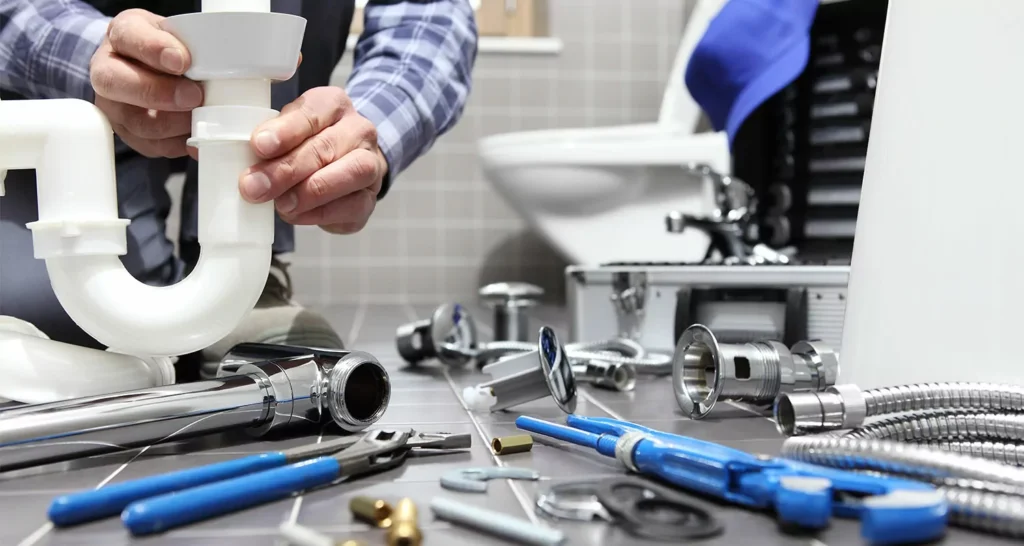
A leaking toilet can be more than just a nuisance; it can lead to higher water bills and potential damage to your bathroom floor. Understanding how to fix a leaking toilet can save you time and money. This guide will walk you through the steps to identify and repair common toilet leaks. Whether you’re a DIY enthusiast or considering calling a plumber near me, these tips will help you address the issue effectively.
Identifying the Leak
- Check the Toilet Base:
- Water pooling around the base of the toilet is a clear sign of a leak. This usually indicates a problem with the wax ring seal or the toilet bolts.
- Inspect the Tank and Bowl:
- Look for water running continuously into the toilet bowl or tank. This can indicate issues with the flapper, fill valve, or overflow tube.
- Examine the Supply Line:
- Ensure the water supply line is not dripping or loose. This could be the source of the leak.
Tools and Materials Needed
- Adjustable wrench
- Sponge or towel
- Bucket
- Replacement parts (flapper, fill valve, wax ring, etc.)
- Plumber’s tape
- Screwdriver
- Rubber gloves
Steps to Fix a Leaking Toilet
- Turn Off the Water Supply:
- Locate the shut-off valve behind the toilet and turn it clockwise to stop the water flow. Flush the toilet to drain the water from the tank and bowl.
- Dry the Area:
- Use a sponge or towel to dry the area around the leak. This will make it easier to identify the exact source and work on repairs.
Fixing a Leaking Flapper
- Remove the Tank Lid:
- Carefully take off the tank lid and set it aside. Inspect the flapper at the bottom of the tank.
- Check the Flapper:
- If the flapper is worn, cracked, or not sealing properly, it needs to be replaced. Turn off the water supply and flush the toilet to empty the tank.
- Replace the Flapper:
- Remove the old flapper by disconnecting it from the chain and the pegs on the overflow tube. Attach the new flapper, ensuring it forms a tight seal.
- Adjust the Chain:
- Ensure the chain connecting the flapper to the flush handle is the correct length. It should have a little slack but not so much that it gets tangled.
- Test the Flapper:
- Turn the water supply back on and flush the toilet to test the new flapper. Ensure it seals properly and stops water from flowing into the bowl when the tank is full.
Fixing a Leaking Fill Valve
- Inspect the Fill Valve:
- If water is continuously running into the tank or bowl, the fill valve might be the culprit. Remove the tank lid and observe the fill valve during a flush.
- Adjust the Float:
- If the water level is too high, adjust the float to lower the water level. Most fill valves have a screw or clip to adjust the float’s height.
- Replace the Fill Valve:
- If adjusting the float doesn’t solve the issue, you may need to replace the fill valve. Turn off the water supply, flush the toilet, and sponge out any remaining water from the tank.
- Remove the Old Fill Valve:
- Disconnect the supply line and unscrew the lock nut underneath the tank. Remove the old fill valve and install the new one according to the manufacturer’s instructions.
- Reconnect and Test:
- Reconnect the supply line, turn on the water supply, and test the new fill valve by flushing the toilet.
Fixing a Leaking Wax Ring
- Remove the Toilet:
- If water is leaking from the base of the toilet, the wax ring may need to be replaced. Turn off the water supply, flush the toilet, and sponge out any remaining water. Disconnect the supply line and unscrew the bolts holding the toilet to the floor.
- Inspect the Wax Ring:
- Lift the toilet off the floor and inspect the wax ring. If it’s damaged or worn, scrape it off and replace it with a new one.
- Install the New Wax Ring:
- Position the new wax ring on the flange. Carefully lower the toilet onto the ring, ensuring it’s aligned with the bolts.
- Secure the Toilet:
- Press down firmly on the toilet to create a seal. Reattach the bolts and reconnect the supply line. Turn on the water supply and flush the toilet to check for leaks.
Conclusion
Fixing a leaking toilet can be straightforward if you know where to look and what steps to take. By identifying the source of the leak and using the appropriate repair techniques, you can save yourself the cost of calling a plumber near me. However, if the problem persists or seems too complex, don’t hesitate to contact a local plumber for professional assistance. Maintaining your toilet and addressing leaks promptly will help prevent more significant issues and ensure your bathroom remains in good working order.